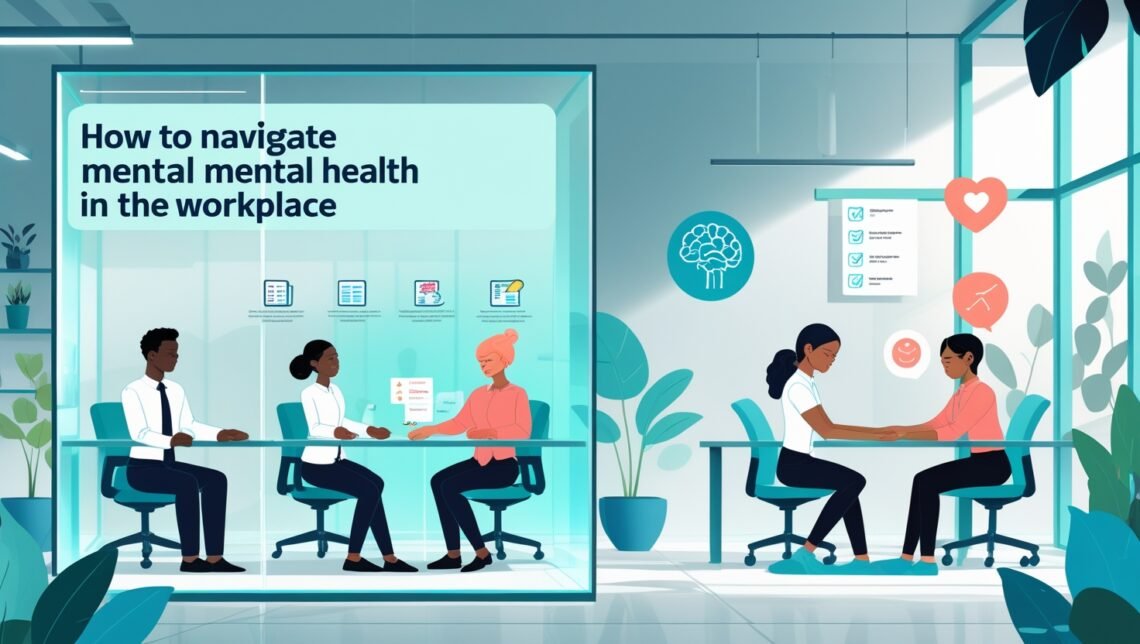
Nowadays, in every office or workplace, people are falling victim to stress, anxiety, or burnout in some way or the other. When the workload is too much, deadlines are tight, or the work culture is toxic, then mental health is affected first of all. Mental health is directly related to a person’s productivity, creativity, and work relationships. If an employee is mentally strong, then he can do even the toughest work easily, but if his mind is suffering from stress or depression, then he reacts to small things or gets disheartened by work. Therefore, it is important that everyone understands that workplace mental health is not just an HR policy but every individual’s responsibility.
When you are healthy, when you come to the office with a positive mind, you make not just your but the entire team’s atmosphere positive; however, when you are mentally disturbed, that negativity affects everyone. This introduction is important because you should understand that mental health issues should not be hidden, but should be talked about openly so that management and the team can give timely support. When the office environment is supportive, everyone is able to create a balance between their life and work, and this makes the workplace healthy and successful; hence, this topic should not be ignored.
Common Workplace Mental Health Challenges:
When employees in any office or company are stressed, first of all, they should understand what challenges are causing them mental distress. Often people think that it is just too much work or overtime that causes stress, but in reality, there are many other things, like unclear expectations, rude behaviour of the manager, or office politics, that depress a person from within. Sometimes people suffer from burnout when they work without taking a break and ignore self-care. Some people feel anxious about their performance, whether they will lose their job or get a promotion or not.
Apart from this, a lack of work-life balance is also a big challenge. If a person is unable to balance household responsibilities and office work, they very quickly come under mental pressure. Toxic colleagues or a negative environment also become a mental burden. People often ignore all these things, but when these issues escalate, it can lead to depression or a mental breakdown. Therefore, it is important that every employee understands and identifies these common challenges and finds a solution to them timely manner so that their mental health does not deteriorate and they can work in a productive and healthy environment.
Recognizing the Signs of Poor Mental Health:
Every person needs to understand how to recognize mental health issues. Often, people think that being sick means having a physical illness, but when a person gets mentally tired or their mind stops working, some clear signs appear, which are often ignored. The first sign is mood swings. If you or your colleague gets angry over small things or remains sad without any reason, it is an alarm. The second sign is absenteeism, i.e., if someone often starts taking leave from the office or skips work at the last moment. If this happens, then understand that he is mentally stressed. Low energy is also a sign.
When a person is physically fit but does not take an interest in work, is not focused, and performance declines, then understood that he is not able to control his emotions. Many people do not share their problems with others; they remain silent and forget everything as the problem gets further out. Therefore, it is important that HR managers and colleagues observe each other’s behaviour changes, and if they see these signs in someone, then talk to him gently and offer him help so that he can share his stress or anxiety openly and get timely support.
Now, Employers Can Support Mental Health:
A good company or employer focuses not just on profit but also on the mental well-being of its employees. Competition has become fierce these days, so it is important that every manager and HR department understand that if employees are mentally strong, they will be more loyal and productive. Companies should offer flexible working hours so that people can give time to their family and personal life as well. Have an open-door policy so that every employee can talk to their manager without hesitation.
Arrange mental health awareness sessions and workshops so that people know how self-care and stress management are done. If someone needs medical help, provide confidential counselling sessions and give mental health leaves as well, so that people don’t burn out. To avoid this happening, appreciation and positive feedback are very important to create a healthy and supportive work culture. When employees feel that their hard work is valued, they do even better. Employers should have a zero-tolerance policy against harassment and toxic behaviour and create a safe environment where everyone can work happily and stress-free.
Self-Care Strategies for Employees:
Often, people think that just company policies or HR support will improve mental health, when in reality, everyone has to take steps for themselves. First of all, self-care does not mean that you should give up everything and just relax, but that you should balance your day. Learn to take breaks. Take small breaks in the office too, so that your mind stays fresh. Don’t set unrealistic targets, and when there is too much work, talk to your manager openly. Spend time with family or friends after work every day, or pursue a hobby that relaxes your mind.
Reduce screen time. Specially, do not spend unnecessary time on phone or laptop after office If you feel that you are under stress, do not hesitate To take help of counselling or a therapist This is nothing to be ashamed of Maintain work-life balance Utilize weekends for proper rest and personal activities Healthy diet and proper sleep are also important When you are physically fit, you feel strong mentally too These small self-care strategies help you a lot to handle office stress and keep you emotionally balanced.
Conclusion:
Finally, it is important to understand that workplace mental health is not just the responsibility of HR or managers but also every employee. If every individual has a supportive attitude towards themselves and others, the office environment automatically becomes healthy. Promoting mental wellbeing is not a one-day job; it is a continuous process that is strengthened by company policies, flexible timings, appreciation and a safe environment.
Employees should also develop their self-care habits, openly share stress and workload, and take timely breaks and vacations. When everyone together builds a positive culture, everyone works to their full potential, and the company also grows. Therefore, mental health mustn’t be ignored. From today, everyone should commit that they will take care of their own and others’ mental wellbeing and will definitely contribute towards making the workplace safe and friendly so that together we can create such an environment where everyone can work happily and stress-free.
FAQs:
Q1: Why is mental health important in the workplace?
Mental health directly affects an employee’s productivity, creativity, and work relationships. When employees are mentally healthy, they handle stress better, work efficiently, and create a positive environment for everyone. Poor mental health can lead to burnout, absenteeism, and conflicts, which hurt both employees and the company.
Q2: What are the common mental health challenges at work?
Common workplace mental health challenges include high workload, tight deadlines, unclear job roles, office politics, rude behaviour by managers, and lack of work-life balance. Burnout, stress about job security, and toxic colleagues can also cause anxiety and depression if ignored.
Q3: How can employers help employees manage mental health?
Employers can help by creating a supportive work culture. They should offer flexible work hours, arrange mental health awareness programs, provide confidential counselling, allow mental health leaves, appreciate employees’ efforts, and maintain a zero-tolerance policy for harassment and toxic behaviour.
Q4: How can employees take care of their own mental health?
Employees should take regular breaks, manage their workload realistically, maintain work-life balance, reduce screen time after work, eat healthy, get enough sleep, spend time with family or hobbies, and seek professional help if needed. Self-care is key to staying emotionally strong.
Q5: How can we recognise signs of poor mental health at work?
Common signs include mood swings, frequent absenteeism, sudden drop in performance, lack of focus, and withdrawing from colleagues. Managers and co-workers should notice these signs, talk gently with the person, and offer help or guide them to get professional support.
