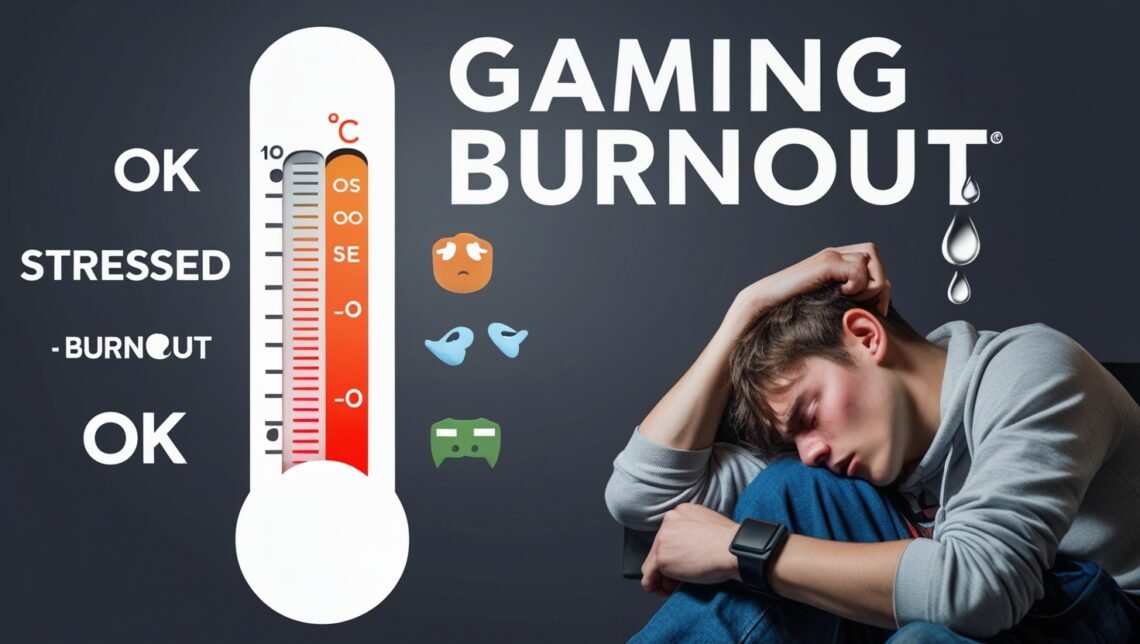
Imagine hitting pause on a passion that once burned bright, witnessing Gaming Burnout and Streamer Fatigue Signs in real time. In today’s fast-paced streaming world, even the most dedicated gamers can feel drained. This guide explores what burnout is, how to recognize its signs in streamers, and ways to reclaim that lost energy.
Beyond the Screen: Decoding the Essence of Gaming Burnout:
Gaming burnout extends far beyond a simple case of tiredness. It’s a state of prolonged mental, physical, and emotional exhaustion triggered by relentless streaming schedules, constant content creation, and the pressure to remain perpetually engaging. For competitive gamers and streamers alike, what begins as playful excitement can increasingly feel like an unsustainable marathon.
At its core, Gaming Burnout is similar to workplace burnout. It’s characterized by symptoms such as loss of passion for gaming, irritability, and a decline in performance, both in-game and on the stream. Unlike normal fatigue, this burnout drapes every aspect of a streamer’s life, altering sleep patterns, relationships, and even self-image. As the bright lights of the live stream blur into a dull routine, recognizing the subtle onset of burnout becomes crucial for sustaining long-term creative output.
Telltale Signs: Spotting Streamer Fatigue in Real Time:
Spotting Streamer Fatigue Signs can be challenging amidst endless digital feedback and chat messages. However, a few distinct behavioral and physical indicators can help identify that warning threshold. For example, a once-energetic streamer may start displaying inconsistent eye contact, speak in a monotonous tone, or exhibit delayed responses to live interactions. Even a decrease in on-camera smile or enthusiasm often signals deeper problems.
Physically, the signs may include frequent yawning, slumped posture, or even strained eyes from extended screen time. Mentally, streamers might feel overwhelmed by even simple technical glitches or overthink every call, indicative of a mounting stress load. In essence, when the joy of gameplay becomes overshadowed by a sense of obligation or dread, it’s a red flag that burning out is imminent. Recognizing these early signs is the first step toward meaningful intervention and recovery.
Behind the Stream: Unraveling the Causes of Burnout:
Multiple factors contribute to Gaming Burnout, and understanding these can empower streamers to combat feelings of fatigue before they escalate. One primary driver is the non-stop pressure to produce content. With the rise of 24/7 social media engagement and constant viewer expectations, many streamers find themselves overcommitting, sacrificing sleep, healthy routines, and personal time.
Additionally, the lure of digital recognition can turn an enjoyable pastime into a high-stakes job. Influences such as sponsorship demands, competitive peer pressure, and the relentless race for higher viewership numbers further intensify the stress. Even subtle triggers like negative comments or a dip in engagement metrics can chip away at a streamer’s motivation. By identifying these causes, content creators can begin to design healthier streaming routines that prioritize balance over relentless output.
The Hidden Effects: How Burnout Alters Gameplay and Everyday Life:
The repercussions of burnout seep into both a streamer’s virtual world and personal life. When Gaming Burnout sets in, the high levels of concentration and preparation needed for competitive play become arduous tasks. Creativity dwindles, critical decision-making falters, and the overall passion for gaming begins to dim.
Beyond the screen, burnout may lead to increased anxiety, mood swings, and even physical health issues like chronic fatigue and eye strain. Relationships often take a hit as the blend of stress and isolation from prolonged solo streaming erodes the social connections that once provided balance. Over time, these effects can create a vicious cycle where diminished performance on stream reinforces self-doubt, further fueling burnout. Recognizing that every moment of decreased performance or personal discontent might not be a failing but rather a symptom of burnout is key to breaking this cycle.
Strategies for Recovery: Reignite Your Passion for Streaming:
Combating Gaming Burnout requires intentional strategies designed to restore balance and rekindle passion. First, setting firm boundaries for streaming times, just like traditional work hours, can help prevent overexertion. Taking regular breaks, scheduling days off, and ensuring quality sleep are critical for recovery.
Mindfulness techniques and physical exercise also play a vital role. Integrating short meditation sessions or even a brisk walk during breaks can effectively combat mental fatigue and refocus the mind. Additionally, engaging in non-digital hobbies helps divert attention from the screen and reinforces a well-rounded lifestyle. For many, reconnecting with the reasons why gaming was once an escape rather than a task can be transformative. This renewed focus not only improves on-camera performance but also enhances overall well-being, paving the way to a healthier, more enjoyable streaming career.
A Future Beyond Burnout: Designing Sustainable Streaming Practices:
Looking ahead, the pathway to counteracting burnout rests on creating sustainable, long-term changes in how streaming is approached. With an increased awareness of Streamer Fatigue Signs, industry leaders and platforms can develop support systems such as mental health resources, flexible scheduling tools, and community-driven wellness programs.
Innovation in streaming technology might also offer solutions. Imagine integrated health monitoring tools that remind you to step away or moderation software that automatically suggests breaks based on usage patterns. Moreover, establishing clear industry standards around work-life balance for streamers can help shift the culture from one that glorifies constant output to one that values holistic well-being. As more content creators embrace these practices, the future of streaming looks increasingly vibrant, where passion and health coexist without compromise.
Conclusion:
Gaming Burnout and Streamer Fatigue Signs serve as reminders that even in the exhilarating world of digital entertainment, balance is key. With self-awareness and sustainable strategies, streamers can reclaim their creativity and safeguard their mental and physical well-being.
FAQs:
- What is gaming burnout?
It’s a state of prolonged exhaustion where the joy of gaming turns into overwhelming stress. - How can I spot streamer fatigue?
Look for signs like inconsistent energy, delayed interaction, and physical symptoms such as slumped posture. - What causes gaming burnout?
Excessive streaming hours, constant audience pressure, and neglecting personal health are major contributors. - How does burnout affect gameplay?
It can diminish creativity, reduce reaction times, and lead to frustrated, disengaged performance. - What are some recovery strategies?
Establish balanced streaming schedules, take regular breaks, practice mindfulness, and engage in non-digital hobbies. - How can streaming platforms help?
They can integrate wellness tools, provide mental health resources, and promote industry standards for work-life balance.