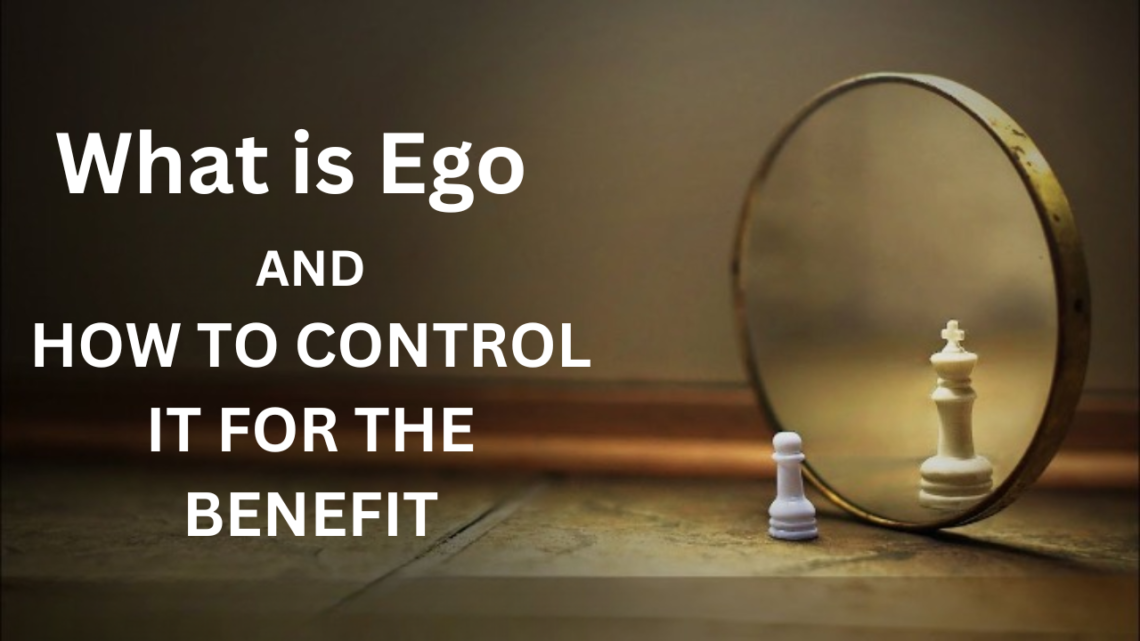
Have you ever felt like you know better than everyone else? Or maybe you’ve been stubborn, not willing to listen to others, even when they had good ideas? That’s your ego talking. The ego is a part of our personality that wants to feel important and superior. It can sometimes make us act in ways that aren’t helpful. But if we understand our ego and learn to control it, we can use it for good.
Understanding the Ego:
The ego is like a voice inside our heads that tells us we’re special, important, and better than others. It’s not all bad. The ego can give us confidence and help us feel good about ourselves. But it can also make us arrogant, stubborn, and unwilling to admit when we’re wrong. When our ego gets too big, it can harm our relationships and make us unhappy.
Think of the ego as a balance. On one side, you have self-esteem, which is healthy and positive. On the other side, you have arrogance, which is unhealthy and negative. Our goal is to keep the balance in check and not let our ego tip too far into arrogance.
Notice the Ego:
The first step to controlling our ego is recognizing when it’s in control. Here are some signs that your ego might be taking over:
- You always want to be right and hate being wrong.
- You feel jealous or envious of others’ success.
- You have trouble admitting mistakes and accepting feedback.
- You always want to be the center of attention.
- You compare yourself to others and feel superior.
When you notice these signs, take a moment to reflect on your feelings and actions. Recognizing your ego is the first step to controlling it.
How to Control Your Ego:
Controlling your ego doesn’t mean getting rid of it completely. It means keeping it in check and using it for good. Here are some ways to control your ego:
Practice Humility:
Humility is the opposite of arrogance. It’s about recognizing that you don’t know everything and that you can learn from others. Practice humility by listening to others, admitting when you’re wrong, and being open to feedback. Remember, everyone has something valuable to offer, and you can learn from anyone.
Be Mindful:
Mindfulness is about being present and aware of your thoughts and feelings. When you notice your ego taking over, take a moment to pause and reflect. Ask yourself why you feel the need to be right or superior. Often, our ego acts out of fear or insecurity. By being mindful, you can recognize these feelings and respond more healthily.
Focus on Gratitude:
Gratitude is a powerful tool for controlling the ego. When you focus on what you’re grateful for, it shifts your attention away from your ego’s desires. Make a habit of writing down things you’re grateful for each day. This can help you stay humble and appreciate what you have.
Practice Self-Compassion:
Being kind to yourself is important for controlling the ego. When you’re too hard on yourself, your ego might act out to protect you. Practice self-compassion by treating yourself with the same kindness you would offer a friend. Acknowledge your mistakes and learn from them without being too critical.
Seek Feedback:
Asking for feedback from others can help you keep your ego in check. It shows that you’re willing to learn and improve. Be open to constructive criticism and use it as an opportunity for growth. Remember, feedback is not a personal attack; it’s a chance to get better.
Embrace Failure:
Failure is a part of life, and it’s important to accept it. When you fail, your ego might feel threatened. Instead of letting it take over, embrace failure as a learning opportunity. Every failure teaches you something valuable. By accepting failure, you can keep your ego in check and grow stronger.
Build Healthy Relationships:
Surround yourself with people who support and challenge you. Healthy relationships can help you keep your ego in balance. Friends and family who provide honest feedback and encouragement can help you stay grounded and humble.
Conclusion:
The ego is a powerful part of our personality, but it can be controlled and used for good. By recognizing when your ego is taking over, practicing humility, being mindful, focusing on gratitude, practicing self-compassion, seeking feedback, embracing failure, and building healthy relationships, you can keep your ego in check. Remember, it’s not about getting rid of the ego, but about finding a healthy balance. By doing so, you can improve your relationships, make better decisions, and live a happier life. So, take control of your ego and use it to benefit yourself and others
FAQs:
- What is the ego?
The ego is the part of our personality that wants to feel important and superior. It can boost confidence but may also lead to arrogance and stubbornness if not controlled. - How can I recognize when my ego is taking over?
Signs include always wanting to be right, feeling jealous of others’ success, struggling to admit mistakes, craving attention, and comparing yourself to others. - Why is it important to control the ego?
An unchecked ego can harm relationships, create unnecessary conflicts, and limit personal growth. Keeping it balanced leads to better decisions, stronger connections, and a happier life. - What are some ways to control the ego?
Practice humility, mindfulness, gratitude, self-compassion, and seek feedback. Embracing failure and maintaining healthy relationships also help keep the ego in check. - Does controlling the ego mean getting rid of it completely?
No, the goal is to balance the ego, not eliminate it. A healthy ego provides confidence and motivation while remaining open to learning and growth.