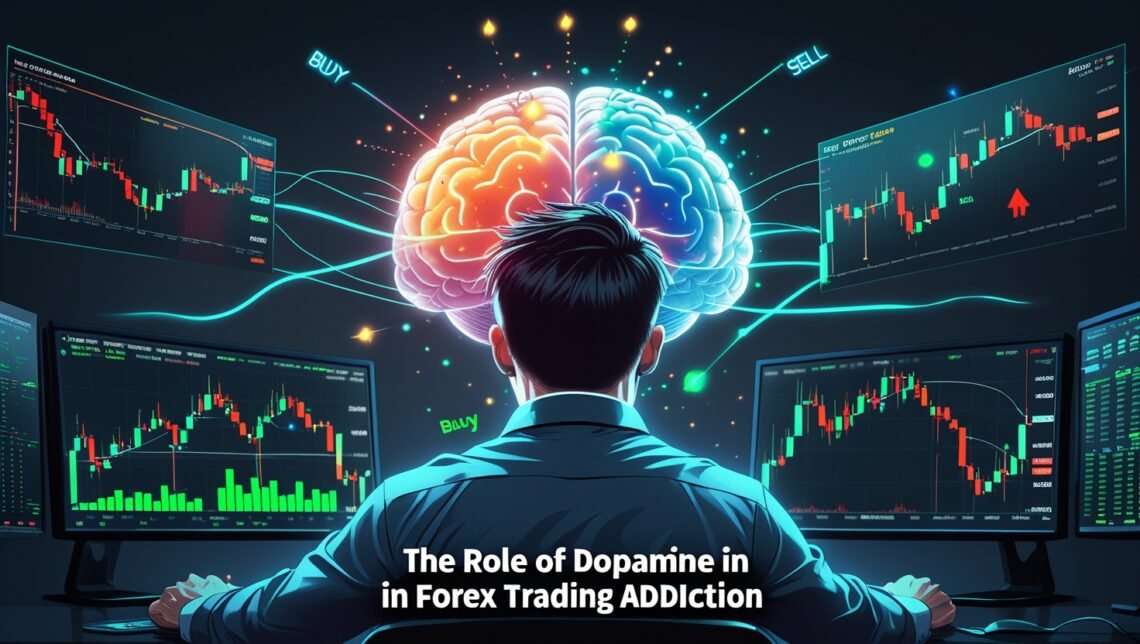
Forex trading is a field where the human brain and its chemical system work together to create very interesting things. The role of dopamine is the most important in this. Dopamine is a neurotransmitter that sends signals of reward and pleasure in the brain. Dopamine is released when a person performs an activity that makes them happy or feels that he is achieving something. In Forex trading, when you win a trade or you feel that you can make a profit, dopamine is released due to that anticipation and excitement. This dopamine is the chemical that repeatedly pulls a person towards that activity.
Because of this, many traders forget their limits while trading and treat trading as a game, and do it just for the thrill and excitement. Often it happens that first a few successful trades give you a reward, then you want to experience that feeling again. This cycle is very dangerous because a person forgets to use their rational mind and just keeps chasing the rush of dopamine. Therefore, in this blog, we will understand the role of dopamine in trading addiction and how this chemical forces a person to overtrade and take risky trades. Unless the trader understands how he is being trapped at the chemical level, he is unable to control his behavior.
How Dopamine Creates a Cycle of Reward:
When a person trades Forex, he feel excitement on every win or every profit, which is caused by dopamine. The brain releases dopamine on every win, and that chemical gives a person a feeling of reward. As soon as a person sees a profit or the trade goes green, a small wave of happiness runs through the brain, and that feeling is so powerful that the person wants to feel it again. This creates a reward cycle that can be very dangerous. Sometimes there is a loss in trading, but the mind remembers that it had won once and wants that feeling of victory again. That is why the person trades again and again, sometimes breaks the rules, just in the hope of getting that rush of dopamine again.
This is also called the gambling effect. Every time you near miss, meaning there is a little profit or even if the trade breaks, the brain releases dopamine, and the person thinks that the next time there will be a big profit. This trap keeps the person glued to the screen, and he starts overtrading. This reward cycle of dopamine can destroy discipline in trading if the trader is unaware that he is caught in a game of chemicals. That is why it is important that the person understands his mind and logically controls all excitement so that this cycle does not lead him to addiction.
Signs of Dopamine-Driven Trading Addiction:
When a trader is a victim of dopamine-driven addiction, there are some clear signs that, if understood, can help a person control themselves in time. The first sign is that the person gets involved in compulsive checking. It means watching charts on mobile or laptop every few days, even if the market is closed, he still keeps wondering what is going to happen.
The second sign is overtrading, i.e., taking trades without any need, just in the hope that some trade will give profit, and he will get a rush of dopamine. In this, the person forgets the rules made by himself and puts the risk on the management side.
The third sign is that personal life starts getting affected, time is not given to family members, social life becomes zero, and the mind is all about trading. When there is a trade loss, the person gets angry at himself or feels anxious, but still does not stop taking the next trade.
Such traders sometimes even start investing borrowed money just in the hope that they will win one trade. Due to this addiction, sleep gets disturbed, there are health effects, and the person can also become mentally depressed. All these signs indicate that the dopamine cycle is putting a person in emotional and financial danger, and it is time for the person to bring discipline and limits to his trading so that he can get out of this trap.
The Psychological Trap of ‘Chasing Highs’:
When a person enjoys the dopamine rush in trading, he wants the same rush again and again, and this is where the psychological trap of chasing highs begins. In this trap, a person always searches for the same feeling that he got when he won or took a big profit earlier. Earlier, when a trade goes well, the brain sends a reward signal, and the person starts crossing every limit to get the same reward again. If a loss occurs in a trade, the person thinks that it is important to cover this loss so that the same feeling of dopamine returns. This is also called loss chasing, which is the biggest factor in ruining traders. The person forgets his trading plan and starts taking impulsive trades, uses excessive leverage, and gets away from logical thinking. Sometimes it happens that even a small profit is not satisfying because the mind needs a lot of thrill. This is the psychological trap that turns a successful trader into a gambler.
While chasing highs, a person takes every risk just for a temporary thrill, and in this process, both mental health and money are at stake. That is why it is very important that the person understands himself, learns to accept losses, and understands that it is not necessary to win every trade. Only discipline and patience can break this trap; otherwise, this dopamine affair can make anyone fall into Forex addiction.
Healthy Ways to Manage Dopamine Triggers:
When a trader understands how dopamine traps him, the next step is to find healthy ways to keep this chemical cycle under control. The first way is to set strict rules in your trading routine. Set your daily or weekly trade limit and do not trade more than that, no matter how tempting the market is. Another way is to maintain your trading journal before and after every trade; this will let you know where you are being impulsive and where you are getting influenced by dopamine. Taking breaks is also very important. Take small breaks in between and plan proper vacations so that the mind gets rest and freedom from the dopamine rush for some time.
It is also important to make a strict risk management plan, set stop loss and take profit levels, and stick to them. Keep your personal life separate from trading, spending time with family and friends also keeps dopamine in a healthy balance. Physical activities like walking, exercise, or any sport also relax the mind and reduce stress. When a person is disciplined, he handles his emotions and brain chemicals well. If all these steps are followed correctly, the unhealthy effect of dopamine is reduced, and the trader stays away from addiction and does smart trading, which is sustainable as well as mentally peaceful.
Conclusion:
Finally, the most important thing is that every trader should understand that profitable and sustainable trading is not achieved just by understanding strategy or charts, but the chemistry of the human brain also plays an important role in it. Dopamine is such a chemical that if not understood, it can turn trading from a healthy income source into a dangerous addiction. That is why it is important that traders understand the reward system of their brain and control it smartly. Discipline and self-awareness are the tools that save you from this dopamine trap. Keep your risk under control, set realistic profit expectations, and treat each trade as a calculated decision rather than a thrill.
Maintain a balance between your personal life and trading so that the brain gets the same dopamine from other healthy activities, too, like family time, exercise, or a hobby. Don’t make trading a stressful game; treat it as a planned business. When a person understands his emotions, he does not get frightened by losses or view profits with over-excitement. This balance not only helps you avoid burnout but also helps you achieve long-term success. This is the most important point that only those traders who operate by understanding trading and brain chemistry survive in the market for a long time, and also enjoy mental peace.
FAQs:
1. What is dopamine, and how does it affect Forex traders?
Dopamine is a neurotransmitter in the brain that creates feelings of pleasure and reward. In Forex trading, when a trader wins a trade or expects profit, dopamine is released, making them feel excited and satisfied. This chemical reward can push traders to keep trading just for the thrill, sometimes ignoring logic and discipline.
2. How does dopamine create a cycle of trading addiction?
Every win or near win in trading triggers dopamine, which makes the brain crave that feeling again. This forms a reward cycle where traders keep taking more trades to chase the same excitement. If they lose, they still chase the feeling to recover losses. This cycle often turns disciplined trading into risky gambling-like behavior.
3. What are the warning signs of dopamine-driven trading addiction?
Common signs include compulsively checking charts even when the market is closed, overtrading without a clear plan, neglecting family and social life, feeling anxious or angry after losses but still trading more, using borrowed money to trade, disturbed sleep, and mental stress. These signals show that dopamine is driving unhealthy habits.
4. What is the ‘chasing highs’ trap in trading?
‘Chasing highs’ means a trader keeps seeking the same thrill they felt during a big win. They may break their own trading rules, take bigger risks, or use excessive leverage just to feel that dopamine rush again. This trap often leads to bigger losses because logical thinking and discipline get replaced by impulsive decisions.
5. How can traders control dopamine and avoid addiction?
Traders can manage dopamine triggers by setting strict trading limits, maintaining a trading journal, following a solid risk management plan with stop-loss levels, taking regular breaks, and balancing trading with family time and hobbies. Physical activities and healthy routines also help. By staying disciplined and self-aware, traders can keep dopamine in check and trade safely without falling into addiction.

